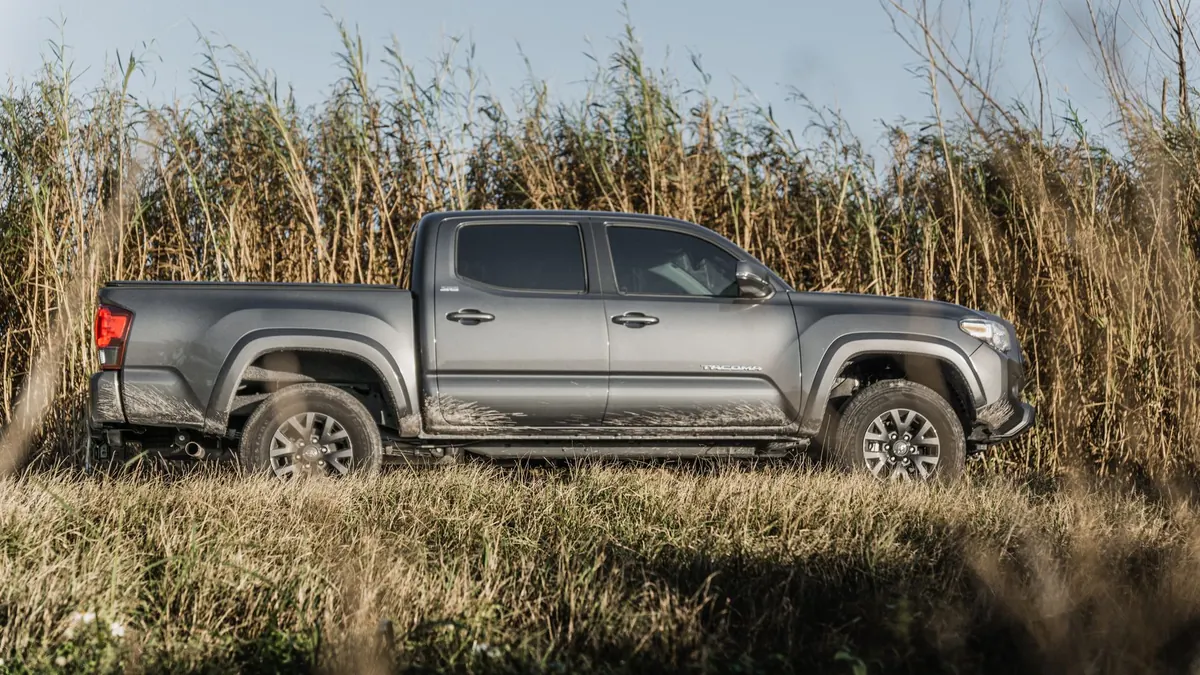
Two hundred miles a week is a quiet number until you add it up. In a city, that covers a commute, some errands, and a weekend trip. In the country, it covers a dentist appointment, a parts run, the livestock feed store, and the school route you drive yourself because no bus comes out this far. Rural driving isn't just more miles. It's harder miles, on roads built for farm trucks rather than sedans, with the nearest shop an hour away and booked three weeks out.
That combination makes the vehicle one of the largest variable costs in a rural household budget, and usually the one estimated by feel. What follows is a working checklist for putting real numbers behind fuel, tires, insurance, and repairs, plus keeping enough slack in the account for the week the gravel wins.
Almost nobody believes they drive 22,000 miles a year. Almost everyone who tracks it finds out they do.
Write down the odometer reading on the first of the month. Do it again next month. Three months gives you a seasonal picture, which matters if winter adds trips you forget about. Multiply by four and you have a working annual figure. Then do the same for the second vehicle. The old pickup that only runs on market days still needs tags, insurance, and a battery that hasn't quietly died in the cold.
Fuel is the cost you have the most control over, even when your trips are non-negotiable. The trick is not driving less. It's driving the same routes better.
Batch your errands into one loop instead of three separate runs. A cold engine burns more than a warm one, and three short trips cost more than one long one over the same ground. Check tire pressure against the placard inside the driver's door, not the number molded on the sidewall — underinflated tires are the most common quiet fuel leak there is, and pressure drops as temperatures fall, which is why the warning light comes on the first cold morning of the season. Take the roof rack off when you aren't using it. Ease off the top end of your speed, where drag climbs fastest.
Keep a fuel log for two months and do the math tank to tank; dashboard computers tend to be generous. And read what your manual actually specifies for octane. Buying premium "just in case" is a habit, not a requirement, unless the manufacturer says otherwise.
Gravel and washboard eat rubber faster than pavement does, and they knock alignment out of spec in a way you feel before you see. Budget tires on a shorter clock than a highway driver would.
Rotate on the interval in your manual, which on rough roads often means the shorter "severe service" schedule. Have the alignment checked after any solid hit — a hidden pothole at dusk counts. If you tow or haul, look at load range, not just size. And check that your spare is actually inflated and that you have a jack that works on your vehicle, because many newer models ship with a temporary tire or an inflator kit instead of a real spare.
Suspension and steering parts — shocks, struts, ball joints, tie rod ends, bushings — wear out sooner on unpaved roads. Listening for clunks over bumps is free. Replacing a worn front-end part early is cheaper than replacing the tire it destroys.
Long rural commutes mean more hours of exposure, and a lot of standard policies are priced with city assumptions. Two things are worth checking before your next renewal.
First, roadside assistance. A five-mile tow radius is nearly useless when the closest dealer is seventy miles away. Ask specifically what the towing limit is and where it will take you. Second, comprehensive coverage. In deer country and on gravel, damage often doesn't come from another driver at all.
If you use a personal vehicle for farm work, hauling for pay, or any business purpose, say so out loud to your agent. A personal policy may not respond to a claim in those situations. And if your vehicles are older, it's fair to ask whether collision coverage still makes sense on a truck worth less than the deductible plus a few years of premiums.
Coverage questions are worth a conversation with a licensed agent who knows your state's rules. A twenty-minute call can prevent a very expensive surprised phone call later.
The honest way to handle repairs is to treat them as a monthly bill rather than an emergency. Add up what you spent on maintenance and repairs over the past three years, divide by thirty-six, and set that amount aside every month. When the alternator goes, the money is already there.
Items worth building into that fund:
Two more habits pay off. Find a shop you trust before you need one, and keep a written log of every service in the glovebox. A shop that can see your history diagnoses faster, and a documented record helps at resale. Also plan for downtime: if the truck is your only vehicle, know what you'll drive for the three days it's on the hoist.
If insurance is billed quarterly or twice a year, set the monthly amount aside anyway. The bill doesn't get smaller because it arrives in a lump.
Pick two things this week. Note your odometer on the first of the month. Call your insurer and ask what your towing radius actually is. Those two steps alone will change how you think about the next twelve months of driving.
Then add one more habit that costs nothing: keep a small notebook in the glovebox for fuel, service dates, and anything that started making a noise. Rural vehicle costs are predictable once you decide to watch them, and unpredictable in exactly the ways that hurt when you don't. For coverage decisions, tax treatment of vehicle use, or anything with liability attached, run it past a licensed agent or accountant who knows your situation.
Photo: Eduardo Valdes / Pexels

A practical guide to building an emergency fund when rural income arrives in bursts: setting a realistic target,...

Farmland REITs, private agriculture funds and crowdfunded farm projects let you own a slice of working land without...

A three-season budget keeps market vendors from spending summer money in spring, with a cash flow plan that matches...

Personal finance rooted in the countryside.
