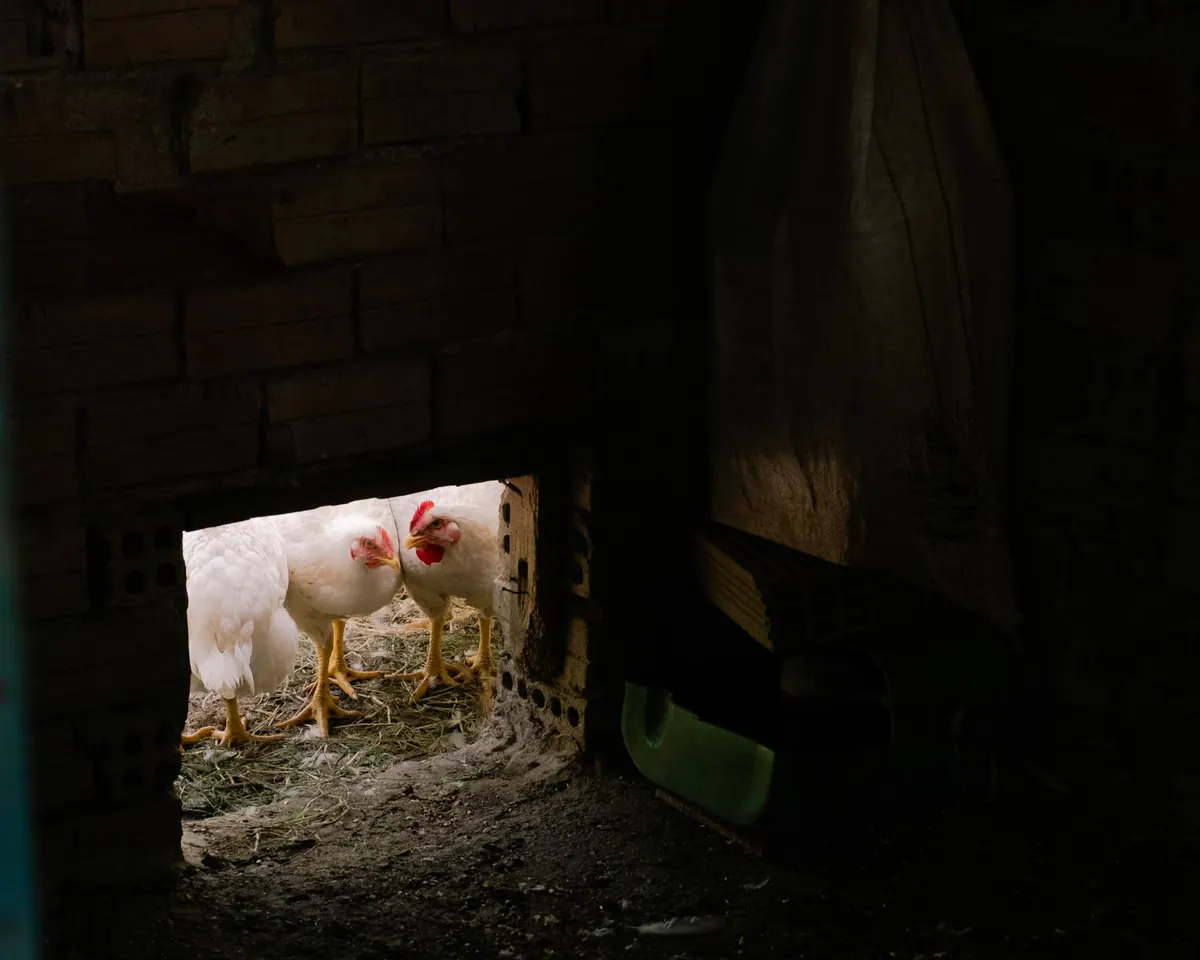
The chicks are the cheapest part. That is the first lesson of a first-year flock, and it usually arrives around week six, when the brooder has moved from the laundry room to the garage, the second bag of starter feed is gone, and the coop you priced out in February still is not standing.
Most first-year chicken budgets do not fail because someone forgot that chickens eat. They fail because the numbers were built around the best version of the year: healthy birds, mild weather, a coop assembled from scrap, and eggs by midsummer. Reality charges more than that. These are the mistakes that cost the most, and how to plan around them.
The coop itself is rarely the expensive part. The expensive part is everything that keeps birds alive inside it. Half-inch hardware cloth instead of chicken wire, buried aprons or a skirt to stop digging, latches a raccoon cannot open, adequate ventilation that does not create a draft, a roost wide enough for feet to lie flat, and nest boxes that are easy to clean.
New keepers also undercount the run. A covered run with a solid roof and a predator-proof frame can cost more than the coop. If you skip the cover, you will pay for it in hawk losses, mud, and a flock that refuses to go outside in the rain.
The other quiet expense is size. Buying a small starter coop for four birds almost always leads to a second build in year two, which means paying twice for the same structure. Measure the space properly, then add room for the birds you will inevitably add later.
Feed is the largest recurring cost in most flocks, and the easiest to waste. Chick starter, grower, and layer feed are not interchangeable, and birds move through those stages on a schedule you do not control. Budget for the transition before it happens.
Then look at where feed disappears without becoming eggs:
A sealed metal container, a feeder with a lip, and a scoop that measures instead of pours will save more over twelve months than shopping around for a cheaper brand.
Many rural areas have no veterinarian who regularly treats poultry, which means you become the first responder. That shifts costs from the clinic to your supply shelf: a wound care kit, electrolyte and vitamin supplements for stressed or sick birds, treatment for mites and lice, and a way to isolate a bird that is unwell. Coccidiosis in young birds, respiratory infections, and prolapses all show up in real flocks, and each one costs something whether you treat it or lose the bird.
Plan for a quarantine space before you need it. A separate pen, even a temporary one, is cheaper than spreading an illness through the whole flock.
Prevention is where the money goes furthest: buy chicks from a reputable hatchery, keep a clean water supply, avoid mixing new birds with your flock without a quarantine period, and do not wear the same boots into a neighbor's coop and your own. In some regions, agricultural extension services or state diagnostic labs offer affordable testing and advice; it is worth knowing what is available near you before a problem appears. For any specific diagnosis or treatment decision, talk to a veterinarian who works with poultry.
These are the costs that make people say the flock cost more than they expected. None of them are dramatic on their own. Together, they are usually a third of the budget.
Chicks look like the frugal choice, and per bird they usually are. But you feed them for months before the first egg, and they need heat, space, and attention through that whole stretch. A started pullet costs more up front and starts laying much sooner.
Neither option is wrong. The mistake is comparing only the purchase price. Compare the total cost of getting to your first egg: chick price plus feed plus brooder electricity plus losses, against pullet price plus a shorter wait. If you want eggs this season, the pullet often wins on money and on patience.
You do not need precise numbers to budget well. You need honest ones, and a method for updating them.
A first-year budget is a guess with structure. The goal is not to predict every dollar; it is to avoid the surprise that makes you resent the flock. Round up rather than down, leave a cushion for the vet call or the hardware cloth you did not plan to buy, and revisit the numbers after your first full year.
By then you will know your real feed consumption, your real losses, and whether the eggs are actually cheaper than the ones at the store. Most homesteaders find the answer is complicated and the reasons are good. Just make sure you know the numbers before you decide.
Photo: Ilias Nikolarakis / Pexels

A practical guide to building an emergency fund when rural income arrives in bursts: setting a realistic target,...

Farmland REITs, private agriculture funds and crowdfunded farm projects let you own a slice of working land without...
A three-season budget keeps market vendors from spending summer money in spring, with a cash flow plan that matches...

Personal finance rooted in the countryside.