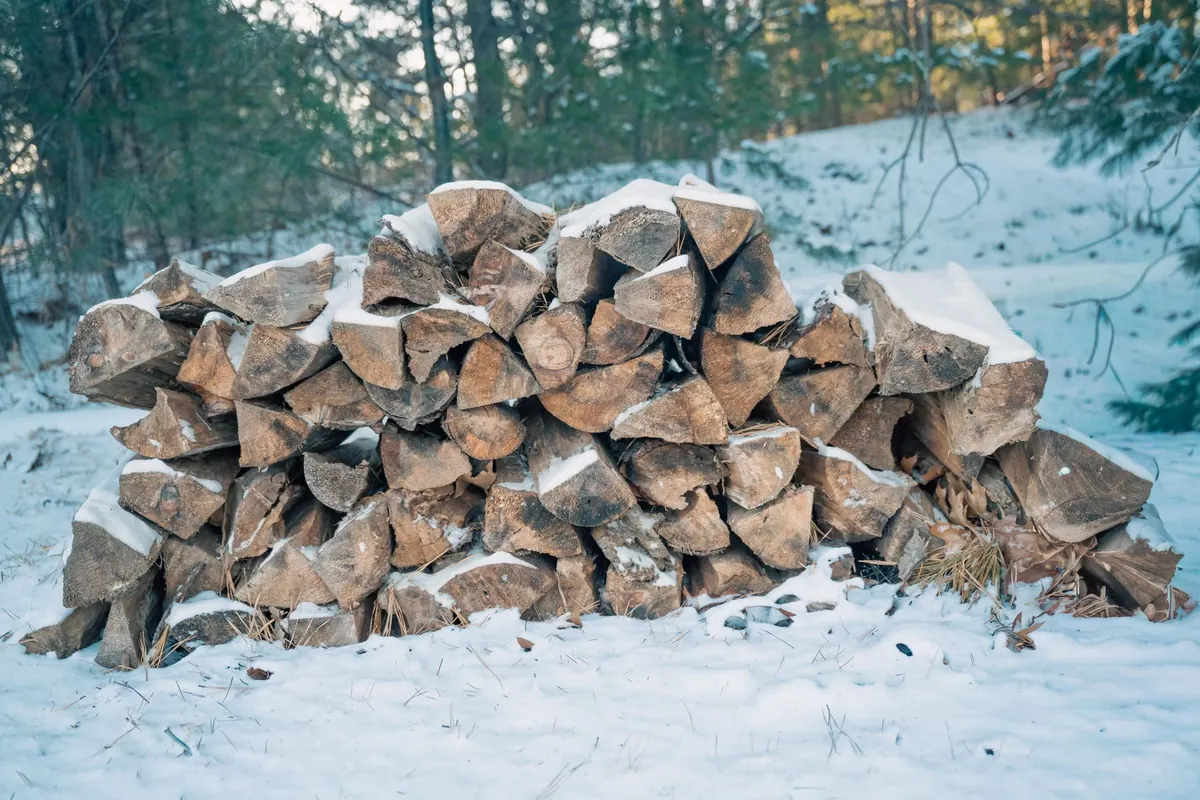
Nothing about a rural winter is subtle. The wind finds the gap under the door, the propane gauge drops faster than the calendar suggests, and the woodpile that looked generous in September looks thin by February. What catches most households off guard isn't the size of the bill — it's the timing. Four hundred dollars in a single cold week feels very different from the same money spread across twelve months.
Saving for heat, wood, and winter power works best as a year-round rhythm rather than a fall scramble. What follows is a month-by-month plan you can start in any month, plus the calls to make while suppliers still have time for you.
Most rural homes carry three separate heating costs, and they land at once. Propane or heating oil arrives by delivery, so a single fill can swallow a month of cash flow. Firewood is bought by the cord or the truckload, and buying in October usually means paying peak price for wood that may not be dry yet. Electricity climbs quietly as the well pump runs longer, heat tape switches on, block heaters get plugged in, and a space heater hums in the room over the garage.
None of it is unpredictable in total. You know roughly how many cords and how many gallons a winter takes. The problem is that the money isn't set aside when the delivery truck pulls in. A dedicated savings account, funded monthly, does more for your winter than any single frugal trick.
Gather the numbers first. Without them you're guessing, and guesses are easy to ignore in July.
Add it up. If your winter total runs about $2,000, saving $200 a month from March gets you to October funded. Starting in January, the monthly number is smaller but the runway is shorter. If the full amount won't fit your budget, aim to cover most of it and keep a small reserve on top — a winter fund that runs dry in February isn't doing its job.
If fuel debt is already part of your picture, talk to your supplier or utility's customer assistance office early rather than late. Payment arrangements are easier to set up before an account goes to collections, and a nonprofit credit counselor can help you build a plan if the numbers are tight.
The goal is simple: by the time the first hard freeze arrives, the money is already sitting in the account.
Heat the rooms you actually use and let the unused ones run cooler. Closing a door and turning down a zone costs nothing and shows up on the bill.
Air sealing comes before adding heat. A door sweep and a roll of weatherstripping won't warm a house, but they stop you paying to heat the driveway.
Maintenance is savings in disguise. A swept chimney, a clean filter, and a generator that starts on the first pull turn expensive emergencies into routine chores. For anything involving wiring, gas lines, or a wood stove installation, hire a qualified professional rather than working from a video.
Pick the month you're in and do the one thing it calls for. If it's January, open the account and set the transfer. If it's June, order the wood and book the sweep. You don't need a perfect spreadsheet, and you don't need to get every figure right in the first year. You need the habit in place before the first hard freeze, so the tank, the woodpile, and the meter stop being emergencies and start being line items you already planned for.
Photo: James Collington / Pexels

A practical guide to building an emergency fund when rural income arrives in bursts: setting a realistic target,...

Farmland REITs, private agriculture funds and crowdfunded farm projects let you own a slice of working land without...

A three-season budget keeps market vendors from spending summer money in spring, with a cash flow plan that matches...

Personal finance rooted in the countryside.